Learning golf can be an exciting experience for anyone who wants to develop a new skill, enjoy outdoor activities, and improve concentration. However, beginners may feel overwhelmed by unfamiliar equipment, swing techniques, and course rules.
Golf Beginner Training helps new players develop confidence by introducing essential techniques, practical exercises, and consistent practice habits. Instead of trying to master every skill immediately, beginners can focus on gradual improvement. With patience and the right approach, learning golf becomes more manageable, allowing players to enjoy the game while building a strong foundation for future progress.
Starting a Beginner Golf Training Routine
A successful beginner golf training routine starts with clear goals and a basic understanding of the game. New golfers should become familiar with their equipment, learn fundamental movements, and practice in a comfortable environment before attempting more challenging situations. A structured routine also helps players recognize their strengths and identify areas that need improvement.
Learning Essential Golf Fundamentals
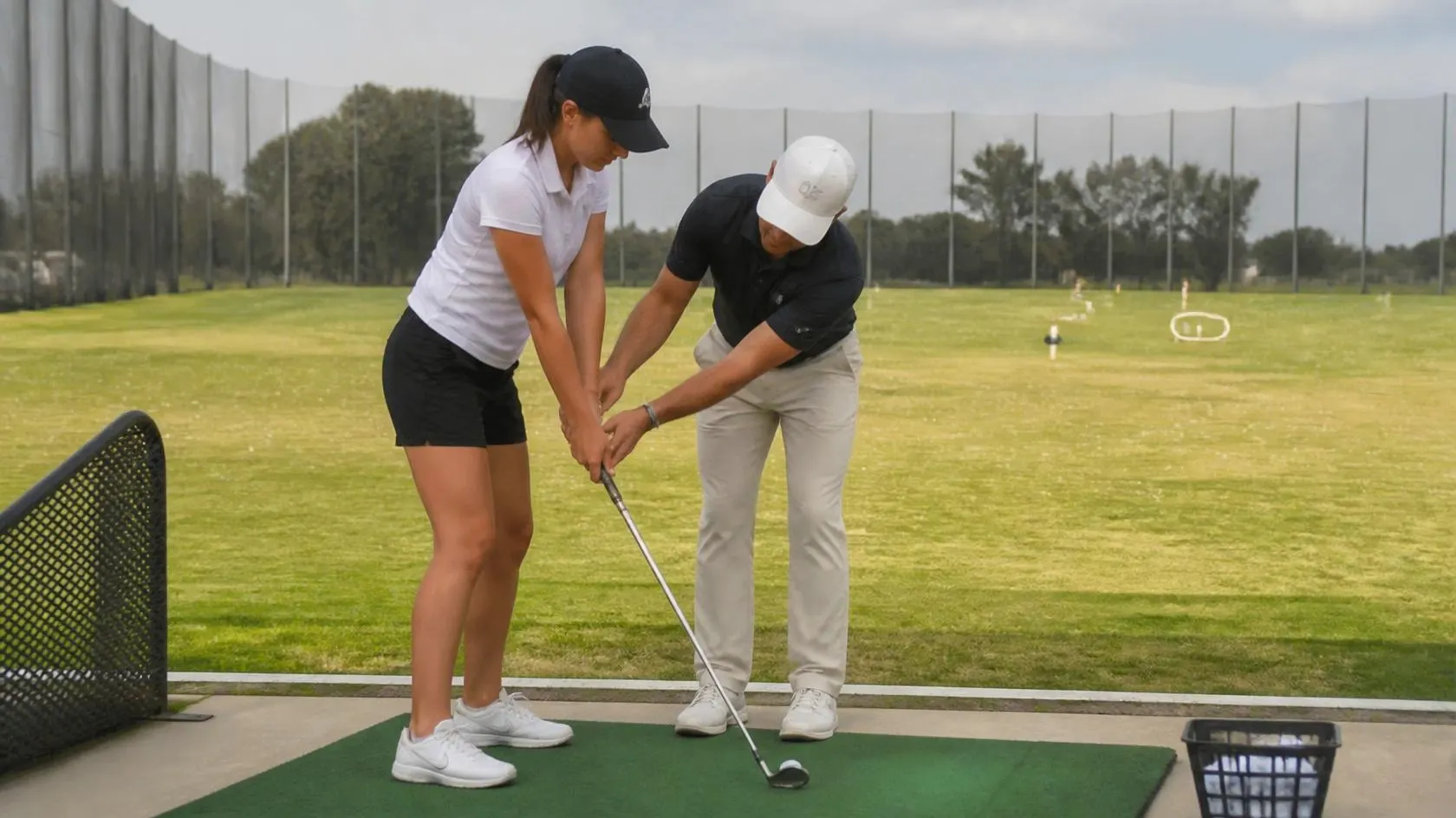
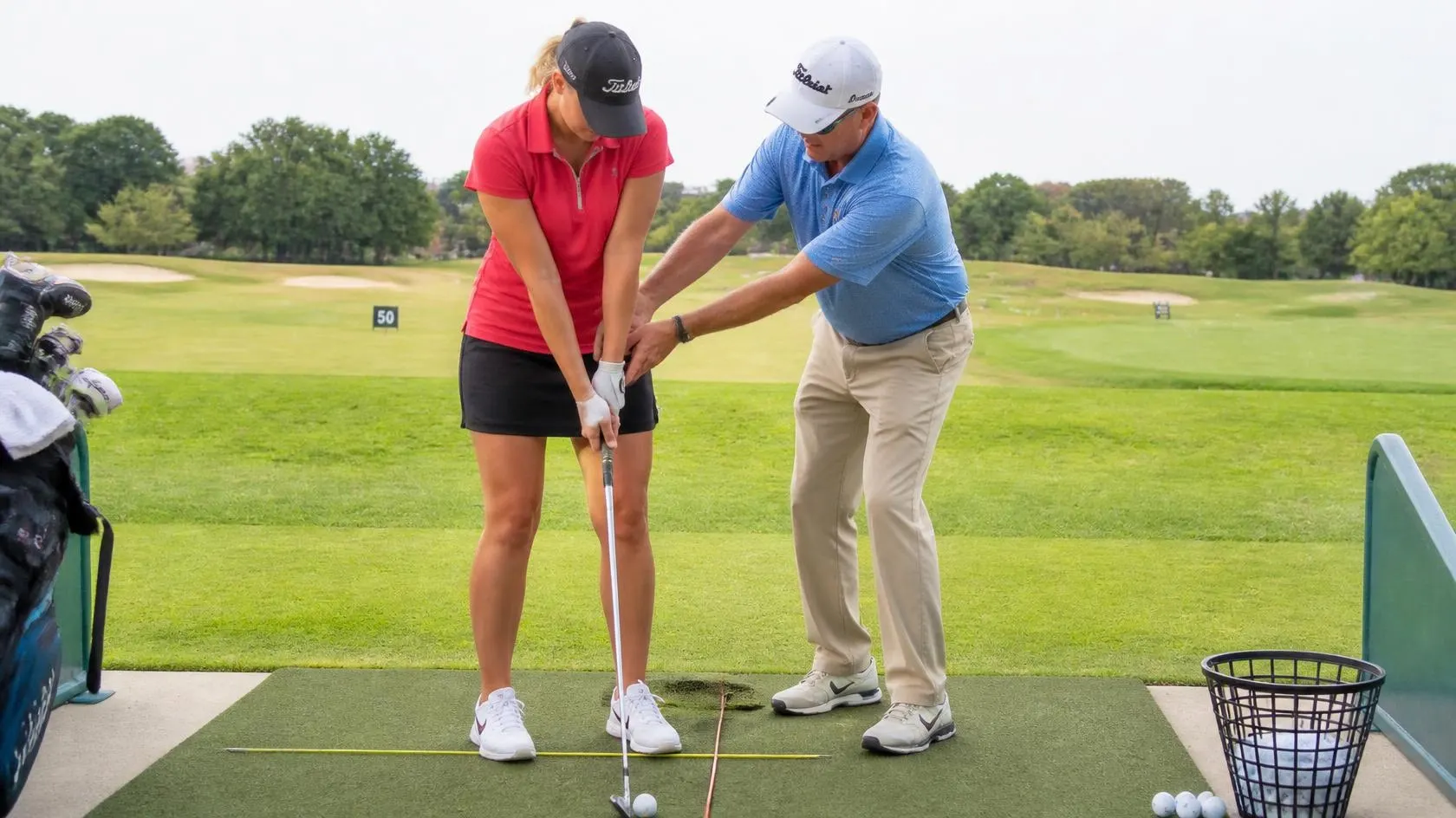
Understanding Essential Golf Fundamentals gives beginners a reliable starting point. These fundamentals include grip, posture, stance, alignment, and balance. Hold the club comfortably without squeezing it too tightly, maintain a balanced posture, and align the clubface toward the intended target. Practicing these basics before hitting the ball can reduce common mistakes and encourage more consistent contact.
Building Basic Swing Skills
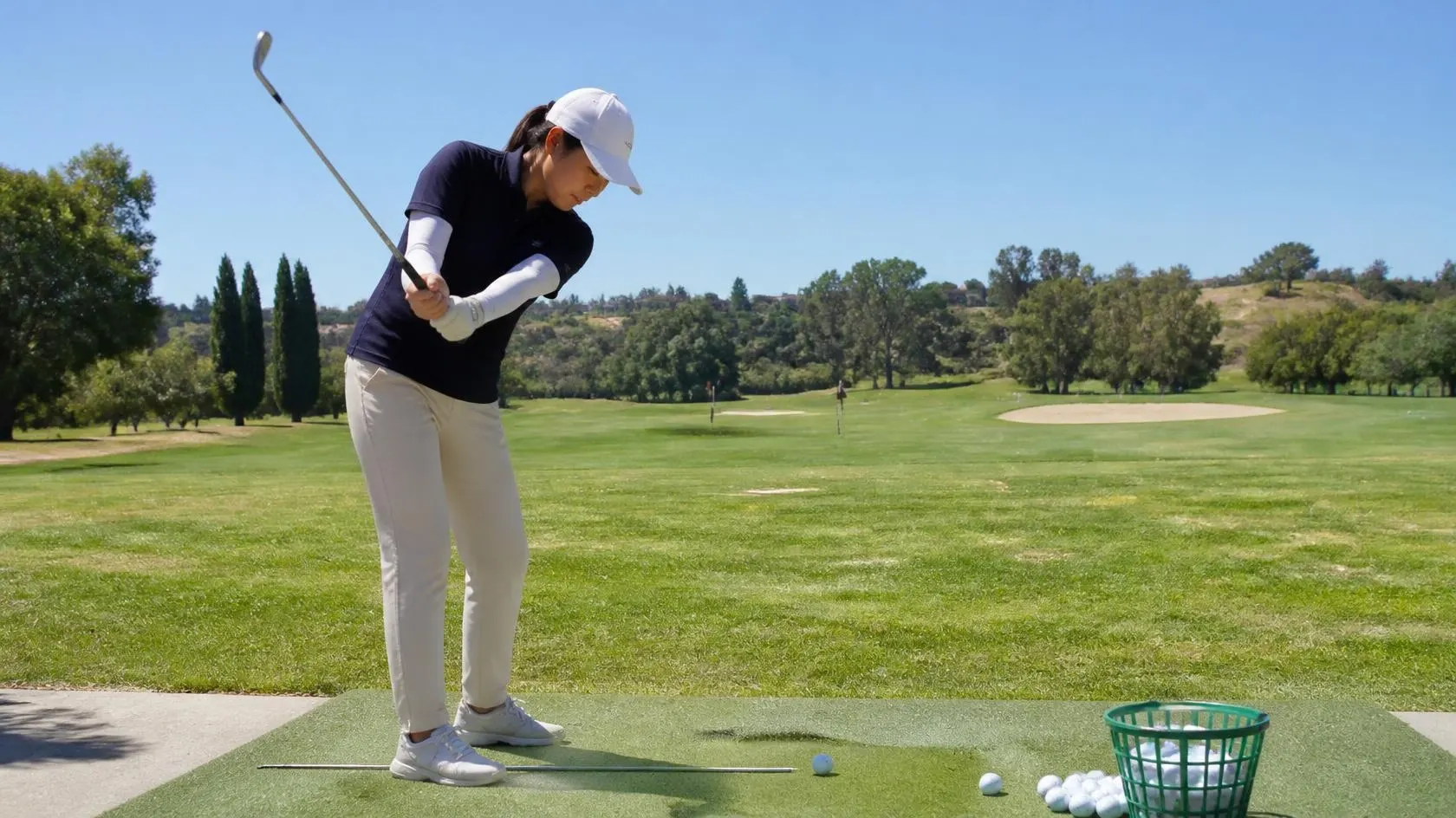
Developing a golf swing requires coordination between the arms, shoulders, hips, and lower body. Beginners should start with short swings before gradually progressing to fuller movements. Focus on balanced positioning, smooth tempo, and controlled contact instead of trying to hit the ball as far as possible. Repeating simple drills helps develop coordination and makes it easier to understand how small adjustments affect ball direction.
Understanding Course Etiquette
Golf etiquette helps maintain safety, respect, and an enjoyable pace of play. Beginners should remain quiet when other players are preparing to hit, avoid walking through another player’s putting line, and repair ball marks or divots when appropriate. They should also understand basic safety signals and remain aware of nearby players. Learning these habits early makes the transition from practice facilities to actual golf courses much smoother.
Training Areas New Golfers Should Practice
Golf involves several different skills, and beginners benefit from dividing their training into manageable areas. Full swings, short shots, and putting require different techniques and levels of control. Practicing each area regularly creates a more balanced skill set and prepares players for the variety of situations they encounter on the course.
Full Swing Practice
Full swing practice helps beginners learn how to make solid contact and control the direction of longer shots. Start with a suitable club, such as a pitching wedge or another short iron, and practice making comfortable swings. Pay attention to balance, alignment, and the quality of contact. As consistency improves, gradually introduce longer clubs and different target distances.
Short Game Development
The short game includes chips and pitches used to move the ball closer to the hole from shorter distances. These shots are important because they can help golfers recover when their approach shots do not reach the green as intended. Beginners can practice short shots from different lies, focusing on distance control and a stable setup. Learning to choose an appropriate club for each situation also improves decision-making.
Putting Fundamentals
Putting is essential because every hole finishes on the green. Beginners should practice controlling distance, reading slopes, and starting the ball along the intended line. Begin with short putts before progressing to longer attempts. A useful drill involves placing several balls at different distances from a target and trying to stop each ball close to the hole. This exercise develops touch without requiring powerful swings.
Building Confidence Through Consistent Practice
Confidence grows when golfers understand their progress and practice with a clear purpose. Rather than expecting immediate perfection, beginners should treat mistakes as useful feedback. Regular sessions, achievable goals, and a positive learning environment help players stay motivated while developing more dependable techniques.
Setting Realistic Training Goals
Set small, measurable goals that match your current ability. For example, you might aim to improve contact with a short iron, complete a putting drill with greater distance control, or follow your pre-shot routine consistently. Avoid trying to correct every mistake during one session. Concentrating on one or two priorities makes practice more focused and less frustrating.
Tracking Skills and Progress
Keeping a simple practice journal can help beginners identify patterns over time. Record which clubs you practiced, which drills felt comfortable, and what challenges appeared repeatedly. You can also track putting accuracy or note whether your shots tend to curve in a particular direction. Reviewing these observations makes it easier to choose suitable exercises for your next session.
Preparing for Your First Rounds
Before playing your first full round, become comfortable with basic rules, course etiquette, and the pace of play. Consider starting on a beginner-friendly course or playing during a quieter period. Bring suitable clubs, golf balls, tees, and water, and check the course’s requirements beforehand. Most importantly, focus on enjoying the experience rather than comparing your performance with more experienced golfers.
Start Your Golf Training Journey Today
Starting golf training does not require advanced equipment or perfect technique. A willingness to learn, consistent practice, and an understanding of the basics are enough to begin developing useful skills. By working on your swing, short game, putting, and course etiquette, you can gradually become more comfortable in different playing situations.